October 22, 2025 – Dr. Susanna Kokkonen
At the beginning of WWII, children everywhere were still children with dreams and hopes for the future. But a terrible war, although preceded by years of propaganda and warmongering, still started suddenly. Things changed from one moment to the next. Come September 1939, as kids were getting ready for another year of school, Nazi Germany invaded Poland, and their parents kept them home.
This was the case with Dr. Anna Steinberger who at the time was 11 years old. She survived the Holocaust and later came to live in Texas; her story is told at the Holocaust Garden of Hope.
Of course, none of the parents knew that this war would last so many years.
It is said that somehow a child can find joy even in terrible circumstances. This may have been the case with some, but it certainly depended on the circumstances.
During the Holocaust, children existed in many separate roles.
There were children of the perpetrators of crimes too terrible to imagine. Later generations would ask questions. At that time, many of them were either too young or later too confused to understand.
There were children of families pretending that nothing had changed around them. Many parents happily enrolled kids in Hitler Youth. They gave charge for their children to a cruel organization which wanted those young hearts.
There were children Nazis murdered by Euthanasia like the famous Child K. This child suffered from health issues, most likely disability, and the parents wrote to Hitler asking for Euthanasia. There are different cases of children in this kind of situation where the name “Child K” appears.
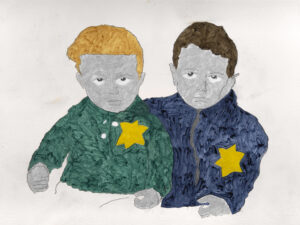
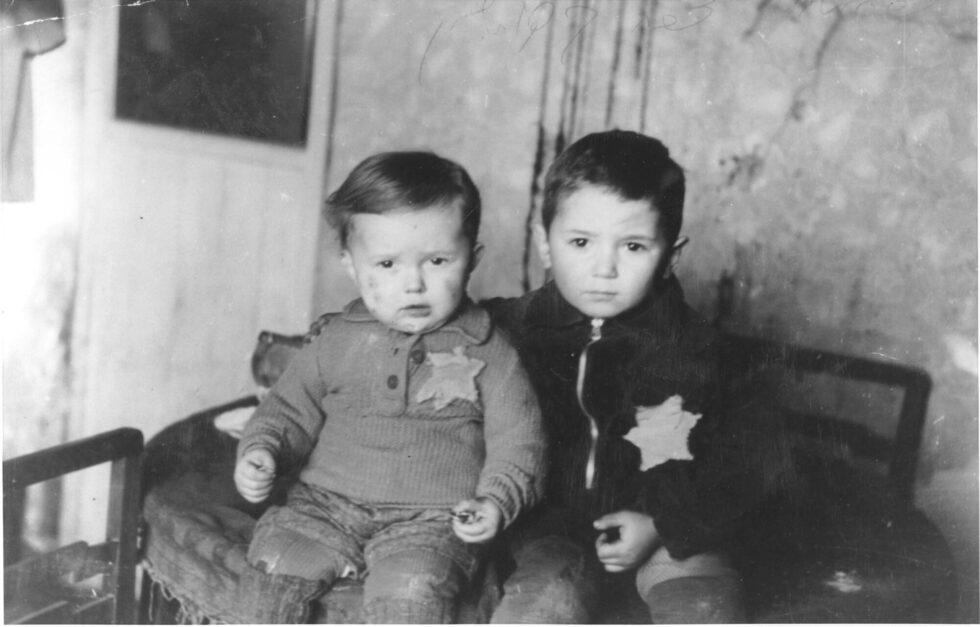
Nazis murdered children by hunger and cruelty in ghettoes, such as the famous photos of Warsaw Ghetto streets show us.
The Nazis murdered young artist Petr Ginz (in 1944) and many others wat the gas chambers of Auschwitz.
Nuns and monks hid children in convents and monasteries. Christian families adopted Jewish children. Some Jewish children lost their identities when they were baptized.
Children were part of families and networks rescuing others.
An adult would come to a family during the night. A child would have a new “aunt”. The aunt would count on the child’s silence. The child would go out with her so she would seem less suspicious. That child would be a decoy. Or they would smuggle things because a guard might not conduct search for a child’s belongings. Sometimes, in rare cases, a child’s life would be spared.
My Holocaust survivor friend Luna Kaufman from Krakow, Poland, always wondered why a Nazi guard took pity on her. She was a young girl at the time. Who could explain that? Luna and her mother survived.
Luna described her prewar life in her memoir “Luna’s Life”:
“My Krakow childhood was filled with loving relatives, wonderful playmates, beautiful parks, friendly streets, and awesome fantasies. There were few days that I would have traded for a life in any other place at any other time.”
This life was lost forever. But we tell their stories!
The Holocaust Remembrance Association exists to remember, reconcile, and take a stand against antisemitism in all its forms.