March 19, 2025 by Hao Nguyen.
The air changes when we honor our dead. Burning incense fills our home during giỗ (death anniversary ceremony), creating an invisible connection to those who came before us. My family arranges offerings with care—xôi gấc (red sticky rice made with gac fruit) steams in bowls and bánh da lợn (layered tapioca cake) waits to be shared. Through these rituals, we maintain our Vietnamese identity while honoring those who came before us.
Chiune Sugihara stands as one of the Holocaust’s most unexpected heroes. As Japanese consul in Lithuania during World War II, he faced a critical choice when Jewish refugees crowded outside his consulate seeking escape. Against direct orders from his government, Sugihara began issuing transit visas that would allow Jews to escape through Japan.
Day after day, he wrote visas by hand, often working 18-hour shifts until his fingers cramped. Even as he was forced to leave his post, Sugihara continued signing documents from his train window. His final act was throwing blank visa forms with his signature to desperate people on the platform.
The Illinois Holocaust Museum carefully documents Sugihara’s actions, which saved approximately 6,000 lives. Many survivors and their descendants call themselves “Sugihara survivors” in his honor. His decision cost him his career—after the war, the Japanese government dismissed him from diplomatic service, and he spent years in poverty.
What drove Sugihara to risk everything? He later explained simply: “I may have to disobey my government, but if I don’t, I would be disobeying God.” His moral clarity in the face of systematic extermination represents the highest form of human compassion.
Sugihara’s story resonates with aspects of Vietnamese cultural resistance. Just as chữ Nôm (southern characters) allowed Vietnamese people to preserve their language and identity under Chinese cultural dominance, Sugihara’s visas became symbols of resistance against Nazi genocide.
The Holocaust Museum’s exhibition on Sugihara includes copies of his handwritten visas—each one a physical artifact of moral courage. These documents now stand alongside other evidence of resistance during humanity’s darkest moments.
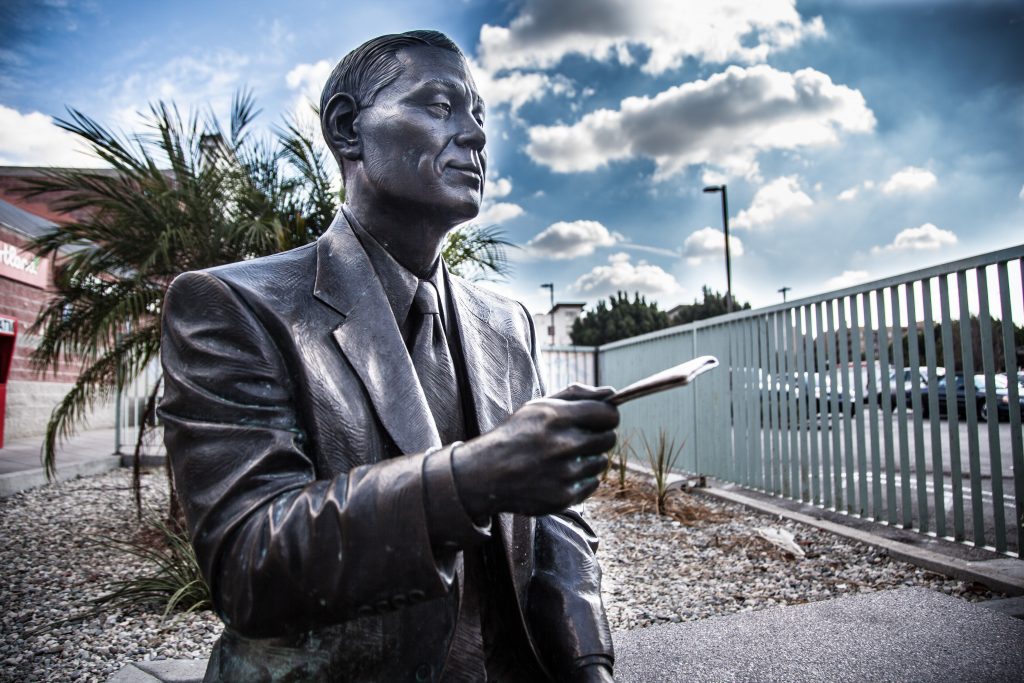
For many years, Sugihara’s story remained relatively unknown. It wasn’t until 1984 that Israel recognized him as Righteous Among Nations. Today, memorials in Japan, Lithuania, and the United States ensure his legacy continues to inspire.
When we light incense for our ancestors or study the actions of people like Sugihara, we participate in a necessary form of remembrance. We keep alive not just the memory of suffering, but the examples of those who stood against it. Their courage becomes part of our shared human heritage, teaching us that even in times of overwhelming darkness, individual actions matter.