
December 5, 2025 – Dr. Susanna Kokkonen
Vayishlach 5786 (2025)
Genesis 32:4-36:43; Obadiah 1-1:21.
Vayishlach, the name of this Torah portion “and he sent” refers to Jacob who after leaving Laban, knew that he would be encountering his brother Esau. Therefore he sent malachim, which can be translated angels or messengers ahead of him. So fearful was he of the encounter that he divided his family and servants into groups, as one would do ahead of an attack.
“When the messengers returned to Jacob, they said, “We went to your brother Esau, and now he is coming to meet you, and four hundred men are with him.”
In great fear and distress Jacob divided the people who were with him into two groups, and the flocks and herds and camels as well.
He thought, “If Esau comes and attacks one group, the group that is left may escape.” (Genesis 32:6-8 NIV)
He also sent gifts to Esau to appease him.
“So Jacob’s gifts went on ahead of him, but he himself spent the night in the camp.” (Genesis 32:21 NIV)
A Divine Encounter
During this inner turmoil and fear, God appeared to Jacob. In previous Torah portions we saw that Jacob had an amazing encounter with angels on his way to Laban. Now, on his way away from him, he had another supernatural encounter.
“That night Jacob got up and took his two wives, his two female servants and his eleven sons and crossed the ford of the Jabbok.
After he had sent them across the stream, he sent over all his possessions.
So Jacob was left alone, and a man wrestled with him till daybreak.” (Genesis 32:22-24 NIV)
This mysterious encounter and battle led to Jacob being renamed Israel.
“Then the man said, “Your name will no longer be Jacob, but Israel, because you have struggled with God and with humans and have overcome.” (Genesis 32:28 NIV)
Israel is not only one who wrestles with God but also God’s prince. The Hebrew word or ending El always refers to God in different names. The modern State of Israel then has God’s name in its very name.
A Human Encounter
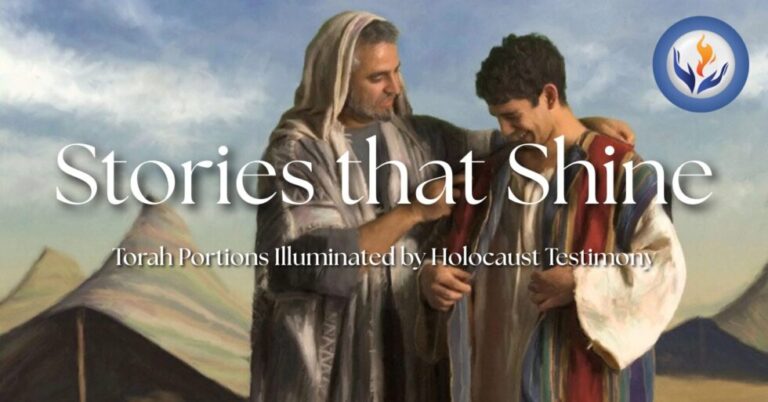
The next day as still very fearful Jacob saw Esau, something from Jacob’s point of view unexpected happened. Esau was no longer angry. He had become a successful man and indeed he was happy to meet him brother.
“But Esau ran to meet Jacob and embraced him; he threw his arms around his neck and kissed him. And they wept.” (Genesis 33:4 NIV)
It is often said that time heals wounds. This may not always be true but clearly these two brothers now parted in good terms.
Edom
The prophetic portion refers to Esau who was also called Edom and is the nation of Edom. The prophet saw Edom’s reaction when seeing Israel in distress.
“Because of the violence against your brother Jacob, you will be covered with shame; you will be destroyed forever.
On the day you stood aloof while strangers carried off his wealth and foreigners entered his gates and cast lots for Jerusalem, you were like one of them.” (Obadiah 1:10-22 NIV)
Obadiah identified various issues with Esau’s reaction to his brother’s situation.
“You should not gloat over your brother in the day of his misfortune, nor rejoice over the people of Judah in the day of their destruction, nor boast so much in the day of their trouble.” (Obadiah 1:12 NIV)
God would defend Israel, but Esau because of his behavior was headed for destruction. Esau’s behavior was both active and more passive enjoyment of what was happening to his brother.
“Jacob will be a fire and Joseph a flame; Esau will be stubble, and they will set him on fire and destroy him. There will be no survivors from Esau.” The LORD has spoken.” (Obadiah 1:18 NIV)
The Holocaust and its contemporaries
During the Holocaust, as Jews were taken from their homes, they were usually allowed to take small bundles of clothing with them. In many cases they were not put on trains immediately. They were deported but first taken to a synagogue or a public building to wait, sometimes they waited for days on end.
Very often they marched through the city, either to gathering places or trains or to be shot in some distant place. What this meant in practice was that there were onlookers. There were a lot of witnesses who saw the crime taking place.
People behave in diverse ways in such situations.
Always we find the tiny major minority of people who try to help someone. Some people would speak up. Others would offer a piece of bread. In some cases, a Jewish parent was able to hand their child to someone merciful (or courageous) enough to pretend that this was their child. This act would mean saving the child’s life. These people were either upstanders or rescuers.
Other people were silent bystanders but even gleeful and happy about what was happening in front of their eyes. The line between a bystander and a persecutor is hard to draw.
Some people benefited from the property that Jews were forced to leave behind. Others had highly active and leading roles as perpetrators of crimes.
Jesus identified these types of behavior in one single story.
In the story about Good Samaritan, there were people who saw a man bleeding by the road between Jerusalem and Jericho. They did not stop. Obviously, this man was a victim, and he had been robbed. A Levite and a priest passed by.
And then came the Good Samaritan. Samaritans were outsiders. But he did not only see what was going on with the man. No, he made sure that he received treatment. He also promised to pay for all his expenses.
The final word that Jesus spoke at the end of this story was to all of us.
“Jesus told him, Go and do likewise.” (Luke 10:37 NIV)
*For an explanation of the terms see the first The Torah Portion Blog.
And God said, “Let there be light,” and there was light.
Genesis 1:3 NIV
Your word is a lamp for my feet, a light on my path.
Psalm 119:105 NIV
Arise, shine, for your light has come, and the glory of the LORD rises upon you.
Isaiah 60:1 NIV
…let your light shine before others, that they may see your good deeds and glorify your Father in heaven.
Matthew 5:16 NIV
Torah Scrolls were attacked and desecrated during the Holocaust. The enduring images of the Kristallnacht (November 9-10,1938) are those of synagogues on fire and Torah Scrolls burning. Some of these desecrated Torah Scrolls disappeared, others were buried. Some were lovingly rescued and are on display in museums in various locations.
[author] [author_image timthumb='on']https://irw.duv.temporary.site/website_047320a9/wp-content/uploads/2025/09/dr-k.jpg[/author_image] [author_info]Dr. Susanna Kokkonen received her Ph.D. in Holocaust Studies from the Hebrew University of Jerusalem. For ten years Dr. Kokkonen was the Director of the Christian Friends of Yad Vashem, World Holocaust Remembrance Center in Jerusalem. Dr. Kokkonen has authored several books about the Holocaust and antisemitism. She educates Christian audiences worldwide including about the Jewish roots of their faith. Dr. Kokkonen is the author of the exhibits for the Holocaust Garden of Hope and serves the Holocaust Remembrance Association as Educational Advisor. [/author_info] [/author]